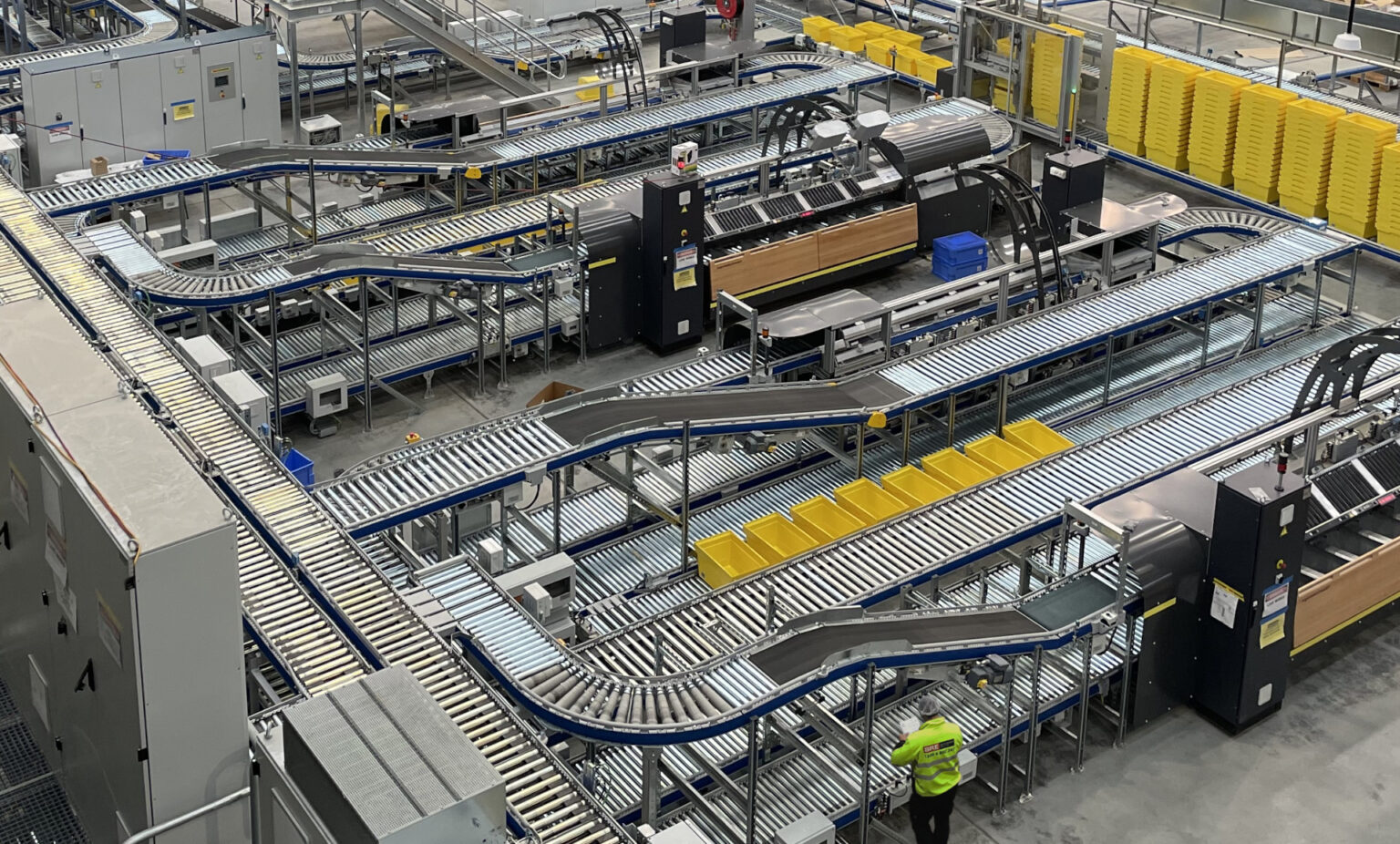
In today’s fast-paced industrial environment, machinery plays a central role in production and operations. While machines increase efficiency and productivity, they also introduce potential risks if not handled safely. Understanding these risks and learning how to prevent accidents is not just a regulatory requirement—it’s a vital aspect of maintaining a safe and efficient workplace. BRE Services’ Practical Machine Safety Course is designed to equip employees, supervisors, and safety professionals with the knowledge and skills needed to manage machine-related hazards effectively.
Why Machine Safety Matters
Industrial accidents can have severe consequences, ranging from minor injuries to life-threatening situations. Many of these incidents are preventable with proper training, safety protocols, and awareness. Machinery-related accidents often occur due to improper use, lack of maintenance, or ignorance of safety standards. By participating in a structured machine safety course, employees learn not only how to operate machines safely but also how to identify potential hazards before they escalate into serious problems.
Implementing robust machine safety practices is more than compliance—it’s a commitment to workforce well-being, productivity, and operational continuity. Companies that invest in safety training reduce downtime, minimize financial losses due to accidents, and foster a culture of responsibility and vigilance among staff.
What the Practical Machine Safety Course Offers
BRE Services’ Practical Machine Safety Course near me is a comprehensive program that combines theoretical knowledge with hands-on training. The course is designed for a wide audience, from factory floor workers to safety managers, and covers key aspects of machine safety.
Understanding Safety Standards
A core component of the course is learning about machine safety standards and regulations. Participants gain insights into local and international safety guidelines, helping them understand the legal and operational requirements for machine use. Knowledge of these standards ensures that workplaces remain compliant, audits are successful, and the risk of penalties or operational shutdowns is minimized.
The course emphasizes the importance of standards in creating a safe working environment. By understanding these frameworks, employees can recognize non-compliance, suggest improvements, and implement best practices that protect both people and equipment.
Procedures for Safe Machine Operation
Knowing the standards is essential, but practical procedures are what keep employees safe on a day-to-day basis. The course teaches step-by-step methods for operating machinery safely, including proper start-up, shutdown, and maintenance procedures. Participants learn how to inspect machines for defects, recognize warning signs, and respond appropriately to unusual behavior or malfunctions.
Additionally, the course covers lockout/tagout procedures, which are critical for preventing accidental machine start-ups during maintenance. By mastering these procedures, employees become capable of protecting themselves and their colleagues from potentially life-threatening situations.
Accident Prevention Techniques
Accident prevention is at the heart of the machine safety course. Participants explore common causes of machine-related incidents, such as human error, mechanical failure, and inadequate safety measures. Through real-life scenarios and case studies, the course highlights how accidents can be avoided by applying proactive strategies.
Training includes hazard identification, risk assessment, and emergency response planning. Employees learn to anticipate potential problems before they occur and implement solutions that prevent injuries and equipment damage. The course also emphasizes the importance of reporting near misses, which helps organizations continuously improve safety protocols.